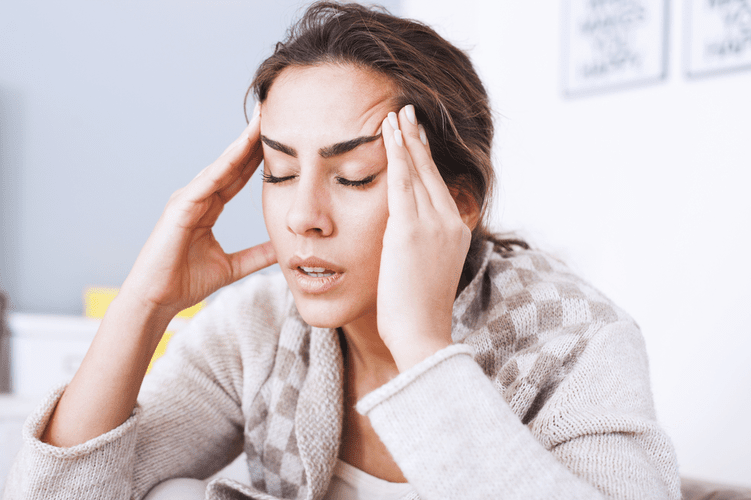
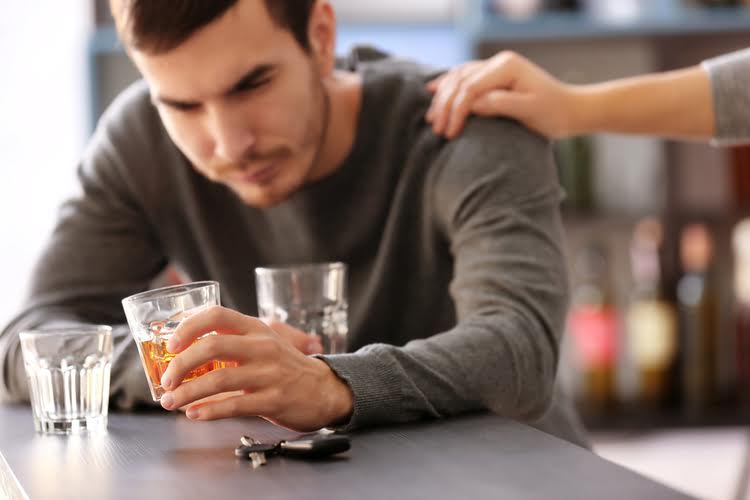
Alcohol Fuels Pain: Study Reveals Link Between Drinking and Chronic Pain

For example, rats show a greater consumption of alcohol over water immediately after an expected highly preferred reward is omitted or reduced to a less preferred value 136–138. Interestingly, reward loss also induces a reduced sensitivity to nociceptive-pain (hypoalgesia) which appears to reflect activation of a compensatory opioid and cannabinoid system to modulate physical and psychological pain as a component of homeostatic and allostatic modifications 74. It is clear that low or moderate amounts of consumed alcohol also exerts clinically relevant hypoalgesic effects in controlled experimental studies with people and animals 50, 55, 56, 139. Similar effects of alcohol and endogenous opioids on nociceptive-pain suggest an intersection of neural circuits, more specifically the opioid-mediated regulation of GABA neurotransmission 109, 140. The possible involvement of alcohol’s effect on inflammation and inflammatory cytokines acting on µ-opioid receptor regulation also needs further investigation 141. Neuro-immune interaction in defensive action, homeostatic recovery, and maintenance is incompletely understood.

About this pain and alcohol addiction research news

  • Even some of the non-dependent mice — 40% of non-dependent male mice and 50% of non-dependent female mice — showed allodynia compared to the alcohol-naïve control group.
  • These individuals would be in a situation that is analogous to what has been described for opioid analgesic misuse risk in chronic, low-back pain patients who had been prescribed opioid analgesics (Marino et al., 2013).
  • Mixing opioids and alcohol can be particularly dangerous since both substances suppress respiration and can cause a person to stop breathing.
  • Treatment with steroidal and non-steroidal anti-inflammatory drugs for early musculoskeletal pain conditions have hypoalgesic efficacy, however early anti-inflammatory treatment interfered with a protective effect of acute inflammatory responses against the development of chronic pain in the long-term 26.

In fact, much of the complexity of pain arises from the involvement of higher centers in the brain rather than periphery, thereby making pain a uniquely experienced phenomenon by each individual and, as such, a subjective experience. Such studies have revealed that functional activity in the primary and secondary somatosensory cortices are linked to the sensory-discriminative processing aspect of pain, such as sensing the intensity of pain or discriminating the site of pain (Bushnell et al., 1999; Hofbauer, Rainville, Duncan, & Bushnell, 2001). Anterior cingulate cortex, insular cortex, and prefrontal cortex are linked to affective-motivational processing aspects of pain, such as finding it to be unpleasant and bothersome even though sensory-wise it may be considered to have low intensity (Apkarian et al., 2005; Auvray, Myin, & Spence, 2010; Gu et al., 2012). Attention, expectation, and reappraisal are thought to be the most important contributing factors for the cognitive modulation of pain (Porro et al., 2002; Wiech, Ploner, & Tracey, 2008).

Nociception and nociceptive-pain

Acceptance and Commitment Therapy (ACT) and Dialectical Behavior Therapy (DBT) are evidence-based approaches that incorporate mindfulness practices. ACT emphasizes building psychological flexibility and emphasizes values-congruent practices, while DBT emphasizes the development of emotional regulation and distress tolerance skills. These approaches transform our relationship with our thoughts, emotions, and physical sensations, including pain. This can change the quality of our experience in ways that change the subjective experience of pain as well as the suffering precipitated by it. The researchers found that there was a significant increase in drinking behavior in the group of mice that were dependent on alcohol compared to the non-dependent group.

An important recent study (Vitus et al. 2022) examined alcohol analgesia in chronic jaw pain sufferers at this exposure level (around 0.08 g/dL), which also corresponds to the legal driving limit in several jurisdictions. The major research question explored was whether the efficacy of alcohol to relieve pain might be altered in individuals with a history of chronic pain. Paradoxically, while acute alcohol drinking reduces sensitivity to pain repeated administration of alcohol, like opioids and other analgesic drugs, results in greater sensitivity to physical nociceptive-pain-inducing stimuli (hyperalgesia). Evidence of opioid-induced hyperalgesia after chronic exposure to opioids is well established in preclinical studies and is observed in clinical populations particularly individuals with opioid use disorder 124, 142. Chronic alcohol consumption results in neural alterations that are also seen in chronic pain—a decrease in inhibitory GABA activity along with hyperglutamatergic activity 109, 143, 144. As a multifaceted experience that is not exclusively driven by the noxious input, pain involves much more than sensory activities.

At the Intersection of Alcohol Use Disorder and Chronic Pain

Roberto’s group is continuing studies on how these molecules might be used to diagnose or treat alcohol-related chronic pain conditions. It’s a common misconception that alcohol is an effective painkiller, when in reality alcohol has no direct pain-relieving value. Alcohol doesn’t directly alleviate pain symptoms; it affects the central nervous system so pain is not perceived to be as bad. The greatest pain-reducing effects of alcohol occur when it’s consumed at doses exceeding moderate daily guidelines. Drinking in moderation is defined as limiting alcohol to two drinks a day for men and one drink a day for women. Roberto’s group is continuing studies on how these molecules might be used to diagnose or treat alcohol-related chronic pain conditions.

A prescription for double trouble: how drinking alcohol fuels chronic pain.

Protocols using intermittent chronic alcohol exposure in rodents have been used successfully as reliable and valid animal models of drug and alcohol dependence. Preclinical studies on chronic pain and AUD provide new insight into the reciprocal influences between the common morbidity of pain and alcohol dependence and potential treatment strategies 45. Alcohol can also have robust dose-dependent analgesic properties in healthy human volunteers experiencing experimentally induced nociceptive-pain 50, 51. Although experimental nociceptive-pain differs in many ways with clinical pain, there is evidence that the analgesic properties of alcohol may support self-medication behaviors of pain sufferers. Experimental induction of a moderate but clinically significant acute pain (capsaicin plus heat) increased the urge and intention to drink alcohol in healthy undergraduate students reporting frequent drinking experiences 52. Several studies have reported an association between moderate alcohol use and reduced pain especially in men 51, 53, 54.

Influences of Alcohol on Processes Involved in Pain Perception

Herein, we begin with a review of the neural bases of pain, and we discuss the influence of alcohol on processes involved in pain perception. We then proceed by proposing some potential mechanisms involved in the development of chronic pain in AUD. We found significant escalation of drinking in the dependent group in male and female compared with the non-dependent group. The dependent group developed strong mechanical allodynia during 72 h of withdrawal, which was completely reversed immediately after the voluntary drinking.

  • Moreover, recent research suggests that as many as 28 percent of people experiencing chronic pain turn to alcohol to alleviate their suffering.
  • The CeA also forms a circuit referred to as the extended amygdala hypothesized to be involved in evaluating the affective value of sensory stimuli.
  • Neuro-immune interaction in defensive action, homeostatic recovery, and maintenance is incompletely understood.
  • Placebo reduction of nociceptive processing at the level of the spinal cord shows the role of cognition in modulating nociceptive-pain at the level of sensory-discrimination dimension 153.
  • Understanding how alcohol misuse causes pain is complicated by the fact that pain is not only a symptom of alcohol misuse but also a frequent cause of increased alcohol use.

Rather than dismissing such reports as “all in their heads” they should be treated as no less real than any other percept. The extent to which alcohol use, misuse and addiction contributes to ambiguity and disambiguation in the pain system and integrative neural networks may be a fertile area for investigation. Impaired cognition can modulate the cognitive-evaluative dimension of pain experiences, both as a reinforcing factor for alcohol-seeking behavior (as alcohol is known to alleviate pain) and also in how pain is perceived. Additionally, physiological cues accompanying alcohol consumption can influence drinkers through modulating their expectancy. This may be the main enabling factor in developing chronic pain through reinforcement in susceptible individuals, and a behavioral model of chronic pain (the operant model; (Fordyce, 1976; Sharp, 2001)), suggests that positive and negative reinforcement of acute pain behaviors may lead to the development of chronic pain. It should be noted that this model does not rule out or ignore the role of biological factors in the development of chronic pain, but instead emphasizes the significance of reinforcement and learning in the development and maintenance of chronic pain (Gatzounis, Schrooten, Crombez, & Vlaeyen, 2012).

Separately, about half of the mice that were not dependent on alcohol also showed signs of increased pain sensitivity during alcohol withdrawal but, unlike the dependent mice, this neuropathy was not reversed by re-exposure to alcohol. These molecular modulators of nociceptive processing occur at all levels of the pain system including the peripheral nervous system (peripheral nociceptor terminals, dorsal root ganglion) and central nervous system (spinal cord, supraspinal brain circuits) 38. Alcohol can alter these processes by producing dysbiosis of the gut microbiome which then impacts on peripheral nociceptors and the gut-brain communication through several pathways including through the vagus nerve 39, 40. The ability of nociceptors to detect pathogens and modulate the experience of pain through bidirectional neuroimmune integration reflects the broader ability of sensory neurons to interact with the microbiome, including symbiotic (or commensal) microbiota to form a microbiota-gut-brain axis (for review see 35). A role of symbiotic microbes in the causal mediation of nociceptive-pain has been confirmed by the experimental construction of axenic or “germ-free” mice made free from all microorganisms by preventing natural colonization by microorganisms. Behavioral measures of nociception in germ-free mice indicated reduced nociceptor sensitization to experimentally induced inflammatory signals which was reversed with restoration of microbiota using fecal transplants from conventional mice.

One of the important risk factors for relapse to drinking and for the development of AUD and other substance use disorders, is impulsivity. Impulsivity is multidimensional construct referring to a predisposition for individuals to react quickly in response to an internal or external stimulus, without consideration of the possible negative consequences (Lejuez et al., 2010). While not a prominent trait in chronic pain patients, impulsivity may be especially relevant to individuals with AUD who suffer from chronic pain. These individuals would be in a situation that is analogous to what has been described for opioid analgesic misuse risk in chronic, low-back pain patients who had been prescribed opioid analgesics (Marino et al., 2013). The experience of physical pain also has been reported to be elevated in alcohol dependent patients having high levels of impulsivity, with physical pain being an independent correlate of both subjectively reported and objectively measured levels of impulsivity (Jakubczyk, Brower, et al., 2016). In particular, there seems to be a role for an attention dimension of impulsivity that represents heightened distractibility and compromised cognitive control, both in AUD (Jakubczyk, Brower, et al., 2016) and in opioid analgesic misuse in chronic pain patients (Marino et al., 2013).

This heightened emotional state has a parallel in the pain system in the form of the transition from alcohol-induced analgesia to alcohol-induced hyperalgesia and chronic pain 109. For example, Gatch and Lal 46 showed that alcohol administered to rats acutely (i.p.) induces hypoalgesia (dose-dependently) and when given chronically in a liquid diet. Although the hypoalgesic effect of chronic alcohol shows tolerance, withdrawal of alcohol induces hyperalgesia that is reversed by re-administration of alcohol. Withdrawal-induced hyperalgesia and mechanical allodynia is also seen when alcohol is given as a chronic intermittent ethanol vapor although the effects are moderated by several factors including amount of alcohol exposure and sex 47–49.

Supraspinal structures involved in affective-motivational aspects of pain

Yes, alcohol can cause nerve damage and lead to chronic inflammation, increasing the risk of chronic pain. Alcohol may have temporary, short-term, pain-relieving effects, but it also can have detrimental, long-term effects and actually worsen chronic pain. It not only affects pain directly but can also interact with pain medications, impact sleep, increase stress, and reduce our quality of life. Family history of AUD also could be a mediating risk factor for comorbid affective disorders in pain patients. In a study on the relationship between fibromyalgia and familial history of depression and AUD in first-degree relatives (Katz & Kravitz, 1996), patients who had both fibromyalgia and depression also had higher odds of AUD in their first-degree relatives.

Research suggests that alcohol has a pain-dampening effect and can relieve hyperalgesia — increased sensitivity to pain — even at nonintoxicating doses. Understanding how alcohol misuse causes pain is complicated by the fact that pain is not only a symptom of alcohol misuse but also a frequent cause of increased alcohol use. If you use alcohol to relieve your pain, it is important to learn about possible adverse health effects. Affect, mood, and emotion are subjective terms that are not consistently differentiated from one another. Affect is more typically defined as a broad range of subjective experiences that vary in terms of valence (positive to negative) and level of arousal. Emotion and mood are considered distinct phenomena, with the former typically short in duration and directed at a stimulus source.

The Reframe app equips you with the knowledge and skills you need to not only survive drinking less, but to thrive while you navigate the journey. Our daily research-backed readings teach you the neuroscience of alcohol, and our in-app Toolkit provides the resources why alcohol worsens chronic pain and activities you need to navigate each challenge. This indicates that the inflammatory pathways involved are different and could potentially lead to the development of targeted therapies in the future. If you’re taking medications to manage your pain, talk to your doctor or pharmacist about any reactions that may result from mixing them with alcohol. Lithium chloride (LiCl) is a compound commonly used to establish conditioned taste aversions in preclinical studies using animals. It’s been a long week, and you finally settle in on the couch with a glass of wine, hoping to unwind.


Understanding T-Breaks to Lower Cannabis Tolerance

T-breaks, also referred to as “tolerance breaks,” are short periods of time without cannabis (or any other substance). The point of a cannabis tolerance break is to allow your body to recalibrate its endocannabinoid system (ECS) and help restore the desired effects of your highs. Embarking on a T-break or THC detox is a proactive step towards achieving your desired goals, whether it’s passing a drug test or resetting your tolerance to cannabis. By abstaining from cannabis, staying hydrated, exercising regularly, following a nutritious diet, and managing stress, you can effectively flush THC out of your system. Remember, responsible cannabis consumption involves finding the balance that works best for you and respecting your body’s https://pridesurgical.pk/how-long-does-cocaine-stay-in-your-system-knowing/ needs.

  • Some users report mild symptoms like irritability or sleep issues, especially with heavy use.
  • Opting for low-dose THC edibles or strains with less THC can make a world of difference in regulating your tolerance.
  • Your 2-day break could still give you some benefits, especially for the occasional user.
  • This phenomenon occurs because THC’s impact on CB1 receptors weakens over time, making it harder for users to achieve the same cerebral high they once enjoyed.

Daily Specials

Have you considered how relaxation techniques, such as meditation, yoga, or deep breathing exercises, might Alcoholics Anonymous fit into your daily routine? Staying hydrated and maintaining a balanced diet can also be beneficial in alleviating discomfort. To start a weed tolerance break, simply stop consuming cannabis for at least two days. Current research shows that CB1 receptors rapidly return to a cannabis-naive state after only 48 hours of abstinence.

  • Many medical patients wish to derive the benefits of THC (pain relief, for instance), but they have a hard time dealing with THC’s side effects of impairment and brain fog.
  • Research in mice backs this up but human studies are needed.
  • Your metabolism has a significant impact on how your body processes THC.
  • As with many types of substance use, cannabis consumption can eventually lead to increased tolerance of the drug.
  • Whether you want to relieve anxiety, pain or depression, the right strain is out there.
  • You might find that many of these reasons apply as you evaluate your relationship with weed.

types of weed tolerance breaks besides going cold turkey

tolerance break weed

Taking regular breaks can help not just regulate your THC tolerance but also neurological effects of heavy THC use. Our understanding of cannabinoids is expanding, one alternative to THC is the countless other cannabinoids found in marijuana. THC, while offering a great high, is not the only psychoactive compound available. HHC, delta-8 and delta-10 can offer psychoactive experiences and offer you an alternative to wean yourself off too much THC. The body metabolizes THC differently when it’s consumed orally which can have slightly different effects on how you feel. Your body will convert THC into 11-hydroxy-THC which can interact with your body differently.

tolerance break weed

Reasons Why People Take a T-Break

tolerance break weed

Care has been put into the content and order, but you know what works for you. Feel free to make this is a choose-your-own adventure guide. Contingency management is a behavioral therapeutic management approach. It aims to replace unwanted behaviors like marijuana use with more desirable behavior. Positive what is low tolerance weed reinforcement rewards you when you use the replacement behavior.

  • You have to tell your friends that you’re taking a break so they know not to tempt you with goodies.
  • Tolerance refers to your body’s process of getting used to cannabis, which can result in weaker effects.
  • However, the length of your tolerance break is entirely up to you.
  • When to take a tolerance break depends on how you feel and getting to know your body.

If you partake most days, a useful T-Break should be around 21 days long, since it takes around three weeks or more for THC to leave your system. How long a tolerance break from weed should be can vary from user to user. After all, cannabis affects you differently depending on your body type, body chemistry, and even your gender. The study that revealed a drop in CB1 receptors after prolonged cannabis use, has shown that your body can begin CB1 upregulation after only 2 days. Granted, the more time away from cannabis the lower your tolerance will go and the more you will counteract any negative neurological effects. The prospect of going cold turkey can seem intense for some longtime cannabis users.

Best Sober Tattoo Ideas

Explore a wide range of sobriety recovery tattoos that symbolize your commitment to staying sober. From unique sobriety symbols to small sobriety tattoos, find meaningful sobriety tattoo ideas that reflect your personal journey. I will help you find meaningful and creative tattoo ideas that sober tattoos symbolize the journey and strength of cancer survivors. Whether you are looking for minimalist designs, symbolic representations, or something deeply personal, I am here to provide you with thoughtful and beautiful tattoo suggestions. This maintenance becomes a ritual of reflection and appreciation, ensuring that the tattoo remains a relevant and empowering symbol throughout one’s life.

overcoming addiction tattoo

Meaningful Sobriety Tattoo Ideas

  • So, if you are someone who has faith, then you may want to consider adding other religious symbology to such sobriety tattoos.
  • We often see “Sober and strong” chosen by those proud of their journey away from substance abuse.
  • The color’s association with both pain and healing makes it perfect for tattoos that celebrate overcoming adversity.
  • These organic patterns incorporate the scar’s natural lines into flowing botanical elements.
  • If you are a recovering alcoholic, then you may want to consider the Alcoholics Anonymous symbol which is a triangle inside of a circle.
  • Discover meaningful alcoholic tattoo ideas that reflect your struggle and triumph over addiction.

We can express emotional suffering through artistic interpretations that move beyond literal symbols. These conceptual designs transform internal struggles into flowing, ever-changing artwork that captures the essence of pain without depicting it directly. Share your preferences, and I will suggest designs that reflect your inner strength and perseverance. Check out these sobriety tattoos ideas below submitted by our readers and the sobriety community. Everyone with a recovery tattoo has their own story behind its meaning, and they have their own story about their struggle with the disease of addiction. For some people in recovery, getting a tattoo is a way of taking back control of their body and doing something to it that isn’t deadly.

Tattoos provide important reminders.

In addition to recovery gifts, My 12 Step Store provides a wide range of products that cater to the needs of individuals on their recovery journey. The store aims to provide resources and tools that promote personal growth, daily meditations, spirituality, women in recovery, journals, and more. From plaques and pendants to keychains and necklaces, there is a diverse range of options available to suit different preferences and styles. These symbolic gifts often feature meaningful emblems such as the equilateral triangle, clock or calendar tattoos, butterflies, and semicolon tattoos.

God Is Greater Than the Highs and Lows Tattoo: Meaning, Origins & Variations

Traditional black work creates striking contrasts that emphasize the weight of personal battles, making each design element feel more substantial and permanent. Color choices in pain tattoos dramatically impact their emotional resonance and symbolic meaning. Understanding how different hues affect perception helps create more powerful and personally meaningful designs. Minimalist line art creates symbols that represent pain through clean, powerful imagery.

Share your preferences and I’ll provide suggestions and inspiration to bring your tattoo vision to life. I will help you find the best buds tattoo ideas, specializing in weed-themed designs. Whether you want a subtle weed leaf, a bold 420 tattoo, or a cool stoner tattoo, I can provide creative suggestions tailored to your preferences. For many individuals who have or are actively overcoming https://ecosoberhouse.com/ addiction, this recovery process can be extremely difficult. Sobriety tattoos can help ease this struggle, through serving as a permanent badge of a person’s determination to become sober and achieve a more stable life.

Placement Considerations for Pain Tattoo Ideas

However, in the event that a person relapses, this sobriety tattoo may instead be a painful reminder of their initial failure to become substance-free. Furthermore, for many people, even a few words or a singular symbol can give them the boost they need to make it through particularly difficult periods in their recovery journey. This is especially true for people who may not have solid support systems in place. Sobriety tattoos serve as motivational reminders of a person’s courageous decision to achieve a sober lifestyle. However, it is important to remember that tattoos are permanent, and it is important to do plenty of research before making the decision to get one. Remember, these tattoos are more than just art; they’re reminders of your strength, your journey, and the incredible courage it takes to walk the path of recovery.

overcoming addiction tattoo

As individuals progress on their recovery journey, they experience positive changes in various aspects of their lives. It provides individuals with an opportunity to explore their passions, develop healthier coping mechanisms, and rebuild relationships with loved ones. This personal growth and evolution contribute to a renewed sense of purpose, identity, and fulfillment. Addiction recovery is a transformative journey that brings forth various gifts and positive changes in an individual’s life. These gifts serve as a source of inspiration, hope, and encouragement for both the individuals in recovery and those still struggling with addiction.

Sobriety Tattoos Meanings and Symbolisms

This geometric merging of circles and triangles can represent two different things. This symbol is used particularly frequently as a small, discreet, AA recovery tattoo for those in Alcoholics Anonymous or a related 12 step program. Now, this sobriety tattoo works if you are looking for something a bit more elegant.

  • This is for those of you grappling with addiction’s challenges or journeying through recovery from alcoholism, and for anyone wanting to show solidarity with this struggle.
  • Schedule a consultation with a tattoo artist who specializes in symbolic tattoos.
  • This design is often chosen by people who have lost loved ones or who have found strength in their spiritual beliefs during tough times.
  • The tattoo also features broken chains, representing liberation from the binds of addiction.

Body art is more than just ink; it can be an integral part of sharing—and living—our story. It is a badge of honor for those who have overcome the odds and stayed on the path of sobriety. This tattoo can be a powerful reminder of the commitment and hard work required to achieve and maintain sobriety in the long term. ButterfliesButterflies, which go through a complete transformation during their life cycle, are often seen as a symbol of change and freedom. For those in recovery, this can represent their transformation and the freedom Sobriety found in sobriety. Foreign language expressions add layers of personal meaning to word based tattoos.

How to Stop Alcohol Cravings Drink Less or Quit

Rather, they are a result of complex biological processes within the brain. Alcohol misuse can alter the balance of certain chemicals in the brain, such as dopamine, which regulates pleasure and reward. Therapy, medication, and recovery programs can all have benefit for reducing and preventing cravings.

How to Manage Alcohol Cravings: Helpful Tips & Tools

Alcohol cravings can be a major obstacle for those trying to stop drinking naturally. Understanding why these cravings occur can help you better manage them. Self-management has its limits, especially when dealing with alcohol dependence, which can involve serious health risks, including severe withdrawal. Herbs and supplements can interact with prescription medications, over-the-counter drugs, and even other natural products. For example, St. John’s Wort has numerous significant drug interactions.

how to reduce alcohol cravings

Individualized Treatment

Normally, the body secretes endogenous opioids to help mediate feelings of happiness, relief, or pain. Certified telehealth service providers, like CuredNation, can also provide you with anti-addiction medications through electronic prescriptions. You may have close friends or even family members who can Alcoholics Anonymous contribute to your alcohol intake and habits. According to multiple studies and surveys, peer pressure influences the drinking behavior in young adults who would have otherwise remained sober. It’s not always easy to do, and you will have to fight the urge instead of avoiding it, but with time, your body will disconnect the link between alcohol and pleasure. External triggers can be people, situations, certain songs that you may have heard in a bar…etc.

Practice Coping Skills

  • A deficiency in these nutrients can disrupt this balance and potentially increase cravings for alcohol.
  • Identifying an alcohol craving early on presents more opportunity to manage it, and prevents escalation.
  • It has long been used to prevent alcohol cravings, improve immune function, and reduce stress.
  • It’s important to note that the cravings are not merely a matter of willpower.

This article discusses home remedies that may help when you’re trying to stop drinking alcohol. It explains how herbal remedies and lifestyle changes can relieve mild alcohol withdrawal symptoms and when to seek medical care for alcohol withdrawal. Therapy can be a helpful tool for addressing underlying issues that may be contributing to alcohol cravings, such as anxiety, depression, or trauma. A therapist can work with you one-on-one to identify these issues and develop coping strategies for managing them in a healthy way. Passionflower (Passiflora incarnata) is a traditional herb used for its calming effects and to alleviate anxiety and insomnia.

  • When dealing with addiction cravings, it’s important to understand that these urges come from changes in the brain’s reward system.
  • Being around people who understand what you’re going through makes a world of difference.
  • The NIAAA offers a printable urge tracker and a worksheet for handling triggers.
  • At 12 South Recovery in Lake Forest, CA, we help people like you regain control.

If you’re wondering how to stop alcohol cravings naturally, lifestyle changes are a good place to start. Our team will work with you to build a realistic plan for recovery that includes medical support, therapy, and a compassionate community. Reach out to 12 South Recovery today and learn how we can support your healing.

how to reduce alcohol cravings

It might be telling you to have a drink, but it’s not controlling you. With practice, the urge can become a signal that it’s time to use an urge coping strategy. Josh Lee is a clinician and researcher with a focus on medication-assisted treatment of alcohol and opioid use disorders. He how to reduce alcohol cravings has conducted multiple clinical trials examining the use of naltrexone in primary care and other community settings.

  • When you’re trying to quit drinking naturally, it’s important to find healthy ways to occupy your time and distract yourself from cravings.
  • Information provided on Forbes Health is for educational purposes only.
  • And you’ll be able to see your progress in dealing with them as they lessen over time.
  • Even 10 minutes catching up on recent news and sharing stories from your daily life can offer enough of a distraction that the craving passes, almost before you know it.

These sudden urges can feel overpowering—like a wave crashing over your willpower—and they often strike when you least expect them. You might be folding laundry, walking past a bar, or just feeling a pang of loneliness, and suddenly, the thought of a drink consumes you. Breaking regular drinking habits can help you avoid alcohol cravings. It also helps untether your brain’s association of certain times of the day, places, and friend groups with the act of drinking.

Fentanyl Overdose Prevention

See the impact of fentanyl and other synthetic opioids on drug overdose deaths. Fentanyl overdoses have become a leading cause of opioid-related deaths due to the drug’s extraordinary potency. A dose as small as two milligrams can be lethal, and the risk is heightened when fentanyl is mixed with other substances like heroin or cocaine, often without the user’s knowledge. Recognizing the signs of an overdose and knowing how to respond can save lives. Fentanyl is a potent synthetic opioid commonly used in medical settings to treat severe pain.

Respiratory Depression

  • This can result in misuse if someone removes the gel contents from discarded patches.
  • Fentanyl’s potency makes it one of the most addictive substances available.
  • Fentanyl addiction can be treated with a combination of medical detox, evidence-based therapies, and long-term recovery support.
  • After detox, residential treatment provides a structured environment for recovery.

The elimination half-life of fentanyl is subject to some variation based on the method by which it’s administered. When taken intravenously, fentanyl has an elimination half-life of approximately 2 to 4 hours in adults, meaning it takes approximately 11 to 22 hours to leave your system. Whether you are struggling with addiction, mental health or both, our expert team is here to guide you every step of the way. Don’t wait— reach out today to take the first step toward taking control of your life. Their heads are bowed, their knees are bent, and they are often unable to respond or move.

Breakthrough pain

how long does fentanyl fold last

The National Institute on Drug Abuse supports research to develop new ways to treat OUD and to help people find treatments that are right for them. Also, an IV neuromuscular blocker may be employed in cases of severe muscular rigidity to assist the controlled respiration heroin addiction treatments. If you suspect someone is experiencing an overdose, the CDC recommends following the steps below. If your loved one is struggling with opioid use, the resources below may be helpful.

how long does fentanyl fold last

Heart and blood vessels

Naloxone is used to reverse the life-threatening effects of an overdose. It works by blocking the effects of opiates to relieve dangerous symptoms caused by high levels of opiates in the blood. Your doctor may also prescribe you naloxone if you are living in a household where there are small children or someone who has abused street or prescription drugs. Your doctor or pharmacist will show you and your family members how to use the medication. Ask your pharmacist for the instructions or visit the manufacturer’s website to get the instructions.

His brother reported that the boy had taken a blue tablet labeled “M30,” which the boy believed to be oxycodone. A urine test was positive for both fentanyl and cocaine (from Joynt & Wand, 2021). Fentanyl can last for a few hours when taken orally or when snorted, smoked, or injected.

  • An individual’s tolerance to fentanyl will impact the amount required to cause a fatal overdose.
  • Fentanyl is a Schedule II prescription drug used medically for pain relief.
  • A person with opioid use disorder has an increased risk of overdose.
  • Its potency, fast-acting effects, and growing presence in illicit street drugs make it both clinically significant and extremely dangerous when misused.

Urine tests usually detect fentanyl or norfentanyl for ​1–3 days​, https://ecosoberhouse.com/article/what-is-the-fentanyl-fold/ but chronic exposure can extend positivity ≥7 days (Melanson, 2020). You might be here because you’re starting Suboxone® treatment for opioid use disorder (OUD) and… Without proper support, withdrawal can be physically exhausting and emotionally overwhelming, making it one of the biggest obstacles to quitting fentanyl for good. The half-life of a drug refers to how long it takes for half of it to be eliminated from the bloodstream. Over time, your body breaks it down and eliminates it, but this process isn’t the same for everyone—it depends on how someone takes fentanyl, metabolism, liver function, and other factors.

how long does fentanyl fold last

Paying for Treatment

They may be available through state and local health departments, syringe services programs, or drug stores and online retailers. Fentanyl can have negative health effects, even when taken as prescribed. These effects may include confusion, drowsiness, nausea, visual disturbances, constipation, muscle stiffness, and many others. Signs include slow or shallow breathing, pinpoint pupils, cold or clammy skin, blue lips or fingernails, and loss of consciousness. Fentanyl can stay in the body for hours, depending on the dosage, frequency of use, and individual metabolism.

The Enabler Effect: Understanding and Breaking the Cycle

An enabler, however, might repeatedly call in sick for that loved one at work or make excuses for their behavior, preventing them from facing consequences or taking accountability for their own life. Not to be confused, enabling doesn’t mean that a person thinks the behaviors of the other person are okay, but they might tolerate them because they don’t know how to better handle the situation. Therapists often work with people who find themselves enabling loved ones to help them address these patterns and offer support in more helpful and positive ways. Financially enabling a loved one can have particularly damaging consequences if they struggle with addiction or alcohol misuse. Even if you personally disagree with a loved one’s behavior, you might ignore it for any number of reasons.

What Is the Psychology Behind Enablers?

Recognizing where this behavior comes from and setting healthy boundaries is the first step toward breaking the cycle and building healthier, stronger relationships. More than a role, enabling is a dynamic that often arises in specific scenarios. People who engage in enabling behaviors aren’t the “bad guy,” but their actions have the potential to promote and support unhealthy behaviors and patterns in others. An enabler is someone who continuously supports or encourages someone to act in ways that potentially cause harm to someone. In short, an enabler personality supports or encourages unhealthy tendencies.

Take our quiz to see if you or a loved one needs substance use or mental health support.

  • Therapists often work with people who find themselves enabling loved ones to help them address these patterns and offer support in more helpful and positive ways.
  • In this case, an enabler is a person who often takes responsibility for their loved one’s actions and emotions.
  • Negative enabling happens when someone unintentionally supports harmful behavior by shielding a person from the consequences of their actions.

Learn to express your needs and feelings openly and honestly. It’s like upgrading from a tin can telephone to a smartphone – clearer communication leads to better connections. Start paying attention to your thoughts, feelings, and behaviors. It’s like becoming the David Attenborough of your own life – observe and document your behaviors without judgment. If you answered yes to most of these, you might be sporting an enabler personality.

Hyperthymic Personality: Exploring the Energetic and Optimistic Temperament

By downplaying the seriousness of the situation, the enabler avoids facing uncomfortable truths, but this denial only allows the harmful behavior to continue unchecked. For example, an adult sibling who grew up with a parent struggling with addiction might have learned to avoid conflict and “fix” problems to hold the family together. Without setting healthy boundaries, these patterns can prevent both people from growing and lead to frustration, resentment, and burnout. For example, a helper might assist a loved one in finding a therapist or attending support meetings if they’re struggling with mental health or substance use issues. An enabler is a person who allows someone close to them to continue unhealthy or self-destructive patterns of behavior. If your loved one starts shouting during a discussion and you continue the discussion instead of walking away, they may get the message that the problematic behavior isn’t that big of a deal to you.

Mirror, Mirror on the Wall: Recognizing Enabler Behaviors in Yourself

While the parent’s intentions come from a place of love and protection, their actions unintentionally enable the child to avoid responsibility for their choices. Negative enabling happens when someone unintentionally supports harmful behavior by shielding a person from the consequences of their actions. It can quickly turn into a draining and unhealthy relationship when loved ones try to provide support they aren’t qualified for.

Indeed, dynamics such as these often reflect much larger cultural narratives surrounding behavior, and maybe even, violence. Societal attitudes towards certain actions end up reshaping how people perceive legitimacy in their relationships (E Anderson et al., 2007). Looking at these themes via organizational resilience reveals the ways in which various strains within relationships can, in fact, impact functionality and how relationships adapt overall. To unravel the behaviors present in enabling contexts, understanding these complex mechanisms is indeed critical. The concept of enabling and enablers is multifaceted, reflecting a dynamic interplay between individuals and their environments. This relationship can be particularly observed in collective settings, such as organizations, where knowledge sharing and collaborative practices determine success.

How to Stop Enabling Behavior

Research into the part knowledge management plays, especially inside organizational settings, could clarify exactly how these processes work as enablers within both personal settings and broader group dynamics. Such kinds of inquiries have the potential to start bridging existing gaps in understanding around the intricate balance between the enabling of individuals and the fostering of lasting systemic change. This behavior is commonly seen in relationships involving addiction, but it can also occur in various other contexts, such as overprotective enabler psychology parenting or dysfunctional workplace dynamics. Behavioral reinforcement is really important when trying to understand enabling behaviors, since it impacts both the person enabling and the person being enabled. It can show up in different ways, like saying nice things or giving rewards.

An example of an enabler can be someone who supports another person’s alcohol addiction. Desperate enabling causes stress and difficult challenges for everyone involved. An enabler might do things because they fear that things will be worse if they don’t help them in the way that they do. This stage is often filled with guilt, frustration, and overwhelming stress, but it can also be the first step toward acknowledging the need for change and setting healthier boundaries.

Do any of the above signs seem similar to patterns that have developed in your relationship with a loved one? These suggestions can help you learn how to empower your loved one instead. When a pattern of enabling characterizes a relationship, it’s fairly common for resentment, or feelings of anger and disappointment, to develop. Even though it’s starting to affect your emotional well-being, you even tell yourself it’s not abuse because they’re not really themselves when they’ve been drinking. Your loved one tends to drink way too much when you go out to a restaurant.

Examples of Enabling

It often makes it worse since an enabled person has less motivation to make changes if they keep getting help that reduces their need to make change. Enabling often describes situations involving addiction or substance misuse. Enabling can describe any situation where you “help” by attempting to hide problems or make them go away.

  • For example, a narcissistic enabler might protect a narcissist from facing the consequences of their actions.
  • Moreover, the complex narratives surrounding disengagement from enabling behaviors reveal an interesting dichotomy.
  • Lastly, focus on cultivating healthy relationships and communication skills.
  • This resentment slowly creeps into your interactions with her kids.
  • Her mantra for living life is “What you seek is seeking you”.

Help them celebrate their wins and promote healthy behaviors by doing things that are beneficial for both of you. With codependency, a person relies on the other person for support in essentially all aspects of their life, especially emotionally. Emotional and psychological dependencies might be seen in a romantic relationship or a relationship between a parent and child. In the desperate stage of enabling, the enabler is primarily motivated by fear. In the control stage, the enabler tries to take control of the situation.

But these behaviors often encourage the other person to continue the same behavioral patterns and not seek professional help. You may also feel hesitant or fearful of your loved one’s reaction if you confront them, or you could feel they may stop loving you if you stop covering up for them. This may allow the unhealthy behavior to continue, even if you believe a conflict-free environment will help the other person. When someone you care about engages in unhealthy behavior, it can be natural to make excuses for them or cover up their actions as a way to protect them.

Enabling relationships present a labyrinth of power and control, their intricacies revealing the complex psychology at play. Power, in these dynamics, is not simply a one-way street; it’s a tool that can be used to support or, subtly, to manipulate. The line, as individuals navigate their roles, often blurs between the two. Dependency is often fostered, acting as a means of control by enablers. By engineering a reliant environment, enablers make those they enable feel like they must remain dependent, which underscores the delicate, sometimes uneasy, dance between care and what could be considered coercion.

Ecstasy Detox Withdrawal & Detox Timelines

As a primarily psychoactive drug, MDMA substance abuse has fewer physical symptoms and more psychological symptoms. Experts believe ecstasy addiction mainly stems from users continuously chasing the euphoric highs and mental stimulation it causes, which eventually leads to some physical dependence as tolerance builds. A professional rehab center can tailor a treatment plan to meet individual needs, taking into account the unique factors that contribute to each person’s ecstasy use.

MDMA (Ecstasy) Withdrawal: Symptoms, Timeline, and Detox

There are also many resources online for detox options in Portland, Oregon, and the state of Washington. This can include people, situations, or circumstances that can prompt a desire to ecstasy withdrawal and detox take drugs. Techniques such as CBT can help individuals learn to identify and avoid their triggers by developing alternative coping strategies. Paxil is a common anti-depressant that is used to treat anxiety disorders, depression, and PTSD.

The largest series of ecstasy-related transplants reviewed so far is described by Brauer and colleagues,116 who found 9 cases in the literature plus one of their own; of these, 4 died after the transplant while 6 survived, having either fully or partially recovered. Ongoing treatment in an inpatient or outpatient setting provides people with the tools they need to maintain abstinent from party drugs after the completion of treatment. Intensive outpatient programs are less involved than partial hospitalization programs and typically take place at a treatment center or outpatient clinic. Clients receiving intensive outpatient treatment will usually visit the center 2 to 5 days per week for 2 to 4 hours per day.

Ecstasy withdrawal symptoms

Medical detox alone will not adequately treat substance use disorders; an in-depth treatment program should follow to address the long-term effects of MDMA abuse. As the grip of ecstasy tightens, the path to freedom becomes increasingly arduous, with withdrawal and detox posing formidable challenges. Read on to learn more about ecstasy detox and withdrawal, arming you with the knowledge to navigate this treacherous terrain and reclaim your life. It is also important to remember that the ecstasy detox is only the beginning of their recovery – they will need your continued love and support as they take on the next stages. While detox is an essential component of recovery, the bulk of your work will take place in therapy. You’ll identify issues that contribute to your desire to use ecstasy, and you’ll acquire skills that allow you to build a full life in recovery.

Other slang terms come from creative combinations that sound similar to MDMA or ecstasy or reference its effects. MDMA is most famous as a party drug on the rave and club scene but has gained wider use in the general population. UKAT aspires to deliver the highest quality care across all our centres and clinics. The accomplishment of overcoming your ecstasy detox will also give you confidence knowing that you can tackle any other challenge that comes your way.

Medically Reviewed By:

  • These clinics are usually staffed with a team of doctors and nurses who have experience with addiction and drug withdrawal.
  • The 3 compounds are closely similar in their chemistry and in their biological effects, so that the description of MDMA in the rest of this review also applies in the main to MDEA, and to a considerable extent to MDA.
  • Depending on the severity of the addiction, long-term treatment may be a good option especially as many programs address the underlying emotional causes of one’s drug abuse.

On the whole, it is relatively mild, resembling a viral hepatitis, with jaundice, an enlarged tender liver, an increased bleeding tendency, raised liver enzyme levels in the blood and a biopsy picture of acute hepatitis that is not in any sense diagnostic of MDMA toxicity. Andreu and colleagues103 found that in their hospital “ecstasy” was the second most common cause of liver injury in patients under the age of 25 years. 1, it has a methylenedioxy (-O-CH2-O-) group attached to positions 3 and 4 of the aromatic ring of the amphetamine molecule (i.e., it is “ring-substituted”).

A detox center will place you in comfortable surroundings where you can be assured of help in case of emergencies. This is all dependent on how long the person has been taking ecstasy, how much they took during their last session, and what other drugs were used simultaneously. A major limitation of these studies is that, even if they demonstrate decreased numbers of serotonin cells and reduced serotonin system function in the brains of MDMA users, they cannot prove that the MDMA use caused the changes. MDMA is an abbreviation for the chemical compound 3,4-methylenedioxymethamphetamine; ecstasy refers to the pill or tablet form, and molly is slang for the pure powder form.

Managing your ecstasy detox

The drug is broken down metabolically, mainly in the liver, where an enzyme designated CYP2D6 is chiefly responsible.23 However, several different enzymes are involved in its degradation,24 and some of these appear to be saturated at relatively low concentrations of the drug. Consequently, as the dose is increased and the higher-affinity enzymes are saturated, disproportionately large increases in blood and brain concentrations of the drug occur.25 Therefore, small increases in dosage may carry the risk of large increases in toxicity. While staying in our comfortable and private residential care facility, you’ll work closely with our compassionate team to overcome addiction using evidence-based treatments and learn the skills to live free from substance abuse.

  • Withdrawal symptoms may occur as soon as the effects of the drug wear off, or they may start a few days later.
  • Unfortunately, the word “pure” is misleading because dealers frequently add other drugs to their batches to make them cheaper and more potent, leading to unforeseen side effects and dangers.
  • While a home detox may seem far more appealing to most, it is advisable to instead remove yourself from your usual environment, away from temptations and triggers that may cause relapse.
  • Consequently, as the dose is increased and the higher-affinity enzymes are saturated, disproportionately large increases in blood and brain concentrations of the drug occur.25 Therefore, small increases in dosage may carry the risk of large increases in toxicity.
  • Our experienced and licensed Northridge Addiction Treatment Center staff is prepared to help you overcome addiction and start on a path to lifelong recovery.

People overwhelmed with depression and hopelessness can act out in life-threatening ways, including returning to substance abuse or self-harm. MDMA withdrawal symptoms are primarily psychological but also include some physical symptoms. The intensity of ecstasy withdrawal symptoms will differ for each person and can become more complicated if they are simultaneously experiencing withdrawal from other substances.

What Is MDMA (Ecstasy)?

Our representatives are happy to answer any questions you may have about addiction treatment and the detoxification process. Medical professionals can help make the detox process more comfortable for patients, especially those who have used ecstasy for a long period. Detox will take a few days for some people, but it may take upward of a week for others. Having a support system made up of medical professionals, family and friends are critical during this difficult time.

Since ecstasy is linked to euphoric feelings, the depression that comes with detox can be intense. If you stop taking ecstasy, you’ll experience symptoms that are counter to the euphoria and energy you feel when taking the drug. Because you are no longer taking the drug, you’ll experience fatigue, problems with sleep, and depression, which are the opposite of the response you get when taking the mood-elevating substance. Because the drug affects mood-altering chemicals in the brain, the user often experiences psychological symptoms when they withdraw from regular use. They may also experience physical symptoms like jaw clenching, appetite suppression, and extreme tiredness. Ecstasy influences serotonin in the brain, which is a naturally produced chemical that regulates sleep, appetite, mood, cognition, and memory.

Although the prospect of attending a private treatment facility may seem daunting, whether it’s because of an unwillingness to talk about your drug use or worries about the cost of treatment, they offer unmatched services that guarantee the best chances of success. Not only that, but you can rest assured your detox period will be safe and comfortable. You may still suffer from lingering cravings, depression, insomnia, memory loss, and concentration problems. These may go on to persist for weeks, months, or even years after ecstasy use has ceased. The severity of withdrawal will depend on overall health, reasons for taking the drug, and length of use. Before ecstasy’s ban in 1985 by the Drug Enforcement Agency (DEA), the drug was given to patients by psychiatrists in an effort to foster better communication during sessions.

While ecstasy withdrawal does not typically involve severe medical risks like some other substances, a supervised setting ensures that any co-occurring mental health issues or other complications are addressed promptly. The intensity of these symptoms can vary from person to person based on factors such as the frequency and duration of use, an individual’s overall health and the presence of co-occurring mental health conditions. The brain’s neurotransmitters—especially serotonin, dopamine and norepinephrine—are significantly affected. Over time, these chemicals may not be produced or regulated efficiently without the drug. As a result, stopping or drastically reducing ecstasy use can bring on withdrawal symptoms.